

Every great nation is built on the shoulders of great teachers. In Pakistan, where millions of students walk into classrooms each day, the role of a teacher goes far beyond writing on a blackboard. Teachers shape minds, build character, and determine the future of an entire generation. Yet, many aspiring educators ask the same question: What exactly does a teacher do, and how do I become a truly good one?
This guide answers both questions. Whether you are a fresh graduate considering a career in education or an in-service teacher looking to grow professionally, understanding the full scope of teaching responsibilities and how the right teacher-training program can prepare you for them is the first step.
What Is the Role of a Teacher?
A teacher is a professionally trained educator who plans, delivers, and evaluates learning experiences for students at any level from primary school to higher education. But the role does not stop at teaching academic content.
In simple terms, a teacher is a guide, mentor, facilitator, and role model all at once. Their responsibilities extend across the classroom, the school, and the wider community. This is precisely why structured teacher training programs exist: to prepare educators for every dimension of this demanding and deeply rewarding profession.
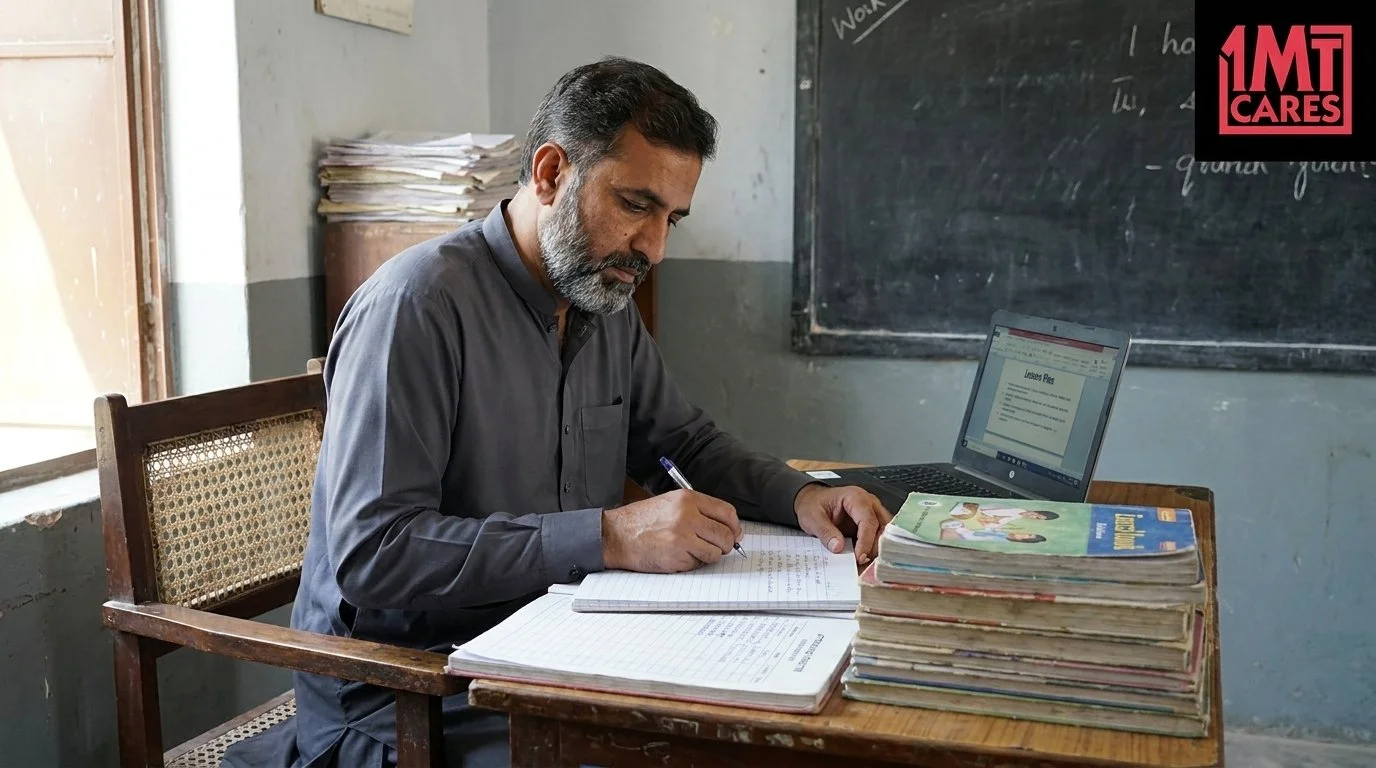
Core Duties and Responsibilities of a Teacher
1. Lesson Planning and Curriculum Delivery
Good teaching starts with solid preparation. A teacher is responsible for designing clear lesson plans that align with the national curriculum, setting learning objectives, and using age-appropriate teaching methods. In Pakistan, this means working within the Single National Curriculum (SNC) framework while adapting materials to students' specific needs.
Effective lesson planning is a skill, not just a task. It is one of the first things covered in any quality teacher-training institute because, without it, even a knowledgeable teacher can struggle in the classroom.
2. Student Assessment and Progress Monitoring
A teacher must regularly assess students through tests, assignments, class participation, and observation. This is not just about grading; it is about understanding where each student stands and what support they need next.
Timely and specific feedback is one of the most powerful tools a teacher has. It helps students stay motivated and correct their weaknesses before they become habits.
3. Classroom Management and Discipline
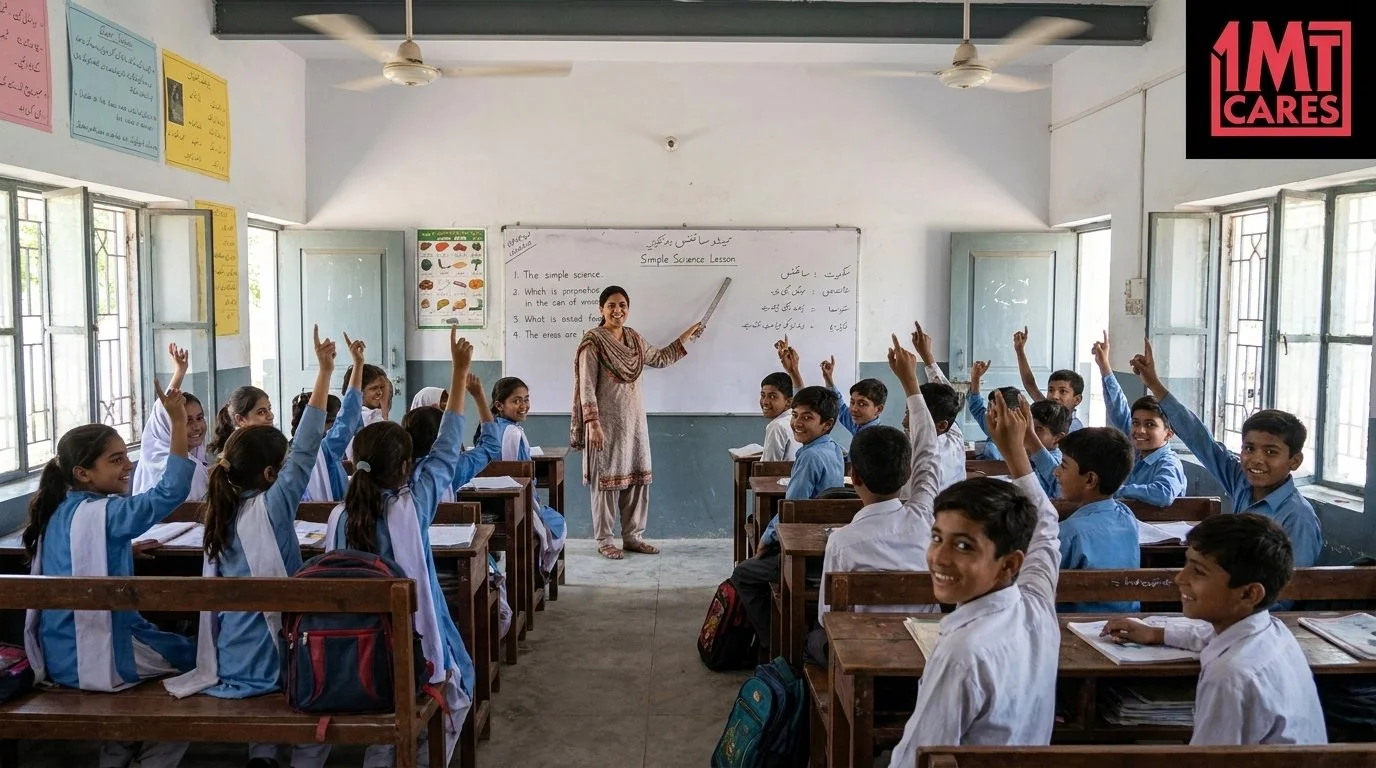
Creating an orderly, respectful, and positive classroom environment is one of the most challenging and most critical responsibilities of a teacher. Discipline does not mean fear. It means creating a space where every student feels safe learning, asking questions, and making mistakes.
Teachers trained in modern classroom management techniques are far better equipped to handle diverse student groups, manage disruptive behavior constructively, and maintain a productive learning environment throughout the school year.
4. Mentoring and Emotional Support
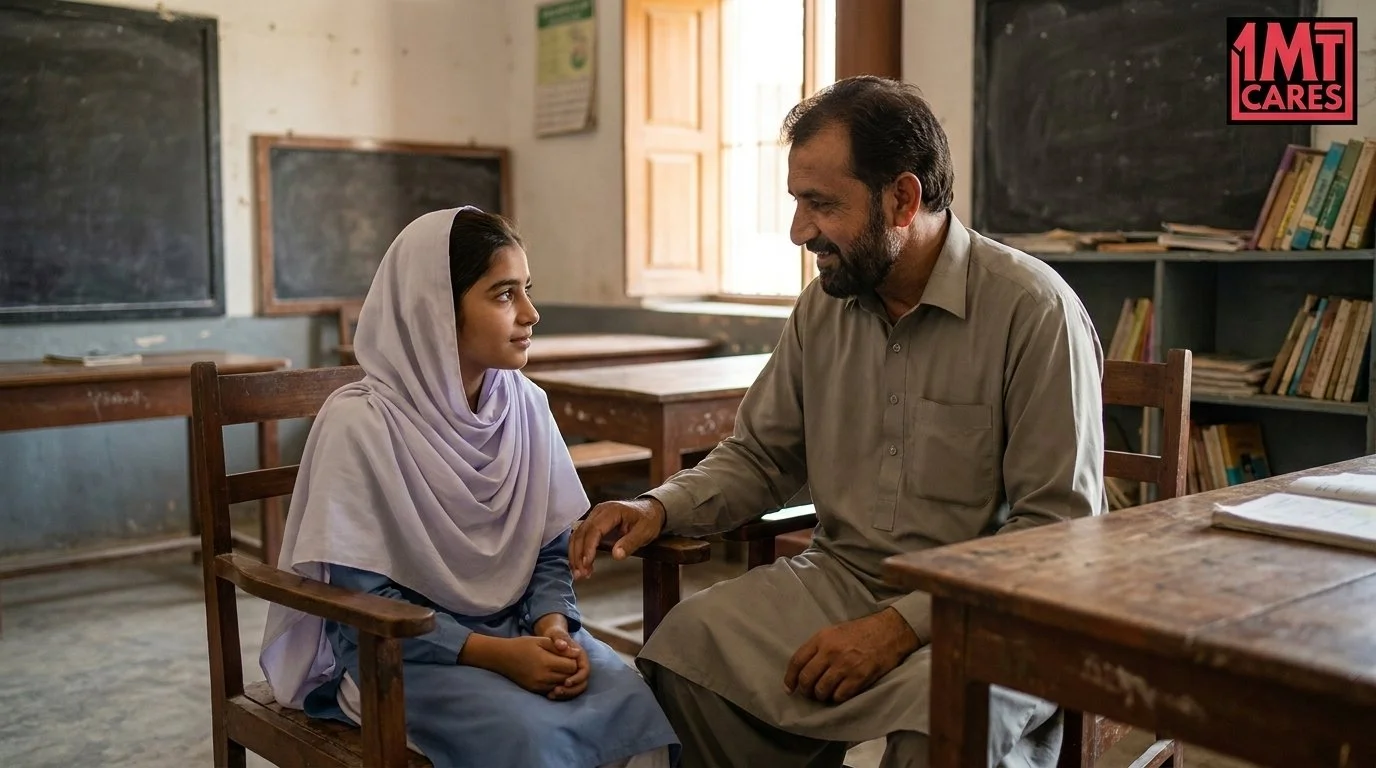
Students, especially younger learners, look to their teachers as role models. Teachers observe their students daily and are often the first to notice signs of emotional difficulty, learning challenges, or family problems. A responsible teacher offers guidance, encouragement, and a listening ear.
This mentorship role is often underestimated. Yet it has a lasting impact. A teacher who genuinely invests in a student's personal growth can change the direction of that student's life.
5. Communication with Parents and Guardians
Teachers serve as the vital link between the school and the home. Regular communication with parents, whether through parent-teacher meetings, progress reports, or informal updates, keeps families informed and involved in their child's education.
For Pakistani teachers in particular, this communication often requires cultural sensitivity, patience, and strong interpersonal skills, all of which can be developed through professional training courses for teachers.
6. Promoting Critical Thinking and 21st-Century Skills
Modern education is no longer just about memorizing facts. A good teacher encourages students to think critically, ask questions, solve problems, and collaborate with others. These are the skills students will need in the workplace and in life.
This is where many traditionally trained Pakistani teachers face a gap. Moving from rote-learning methods to student-centered, inquiry-based teaching requires deliberate retraining, which is exactly what contemporary teaching courses in Pakistan now focus on.
Read Blog: Challenges in Pakistan’s Education System & Teacher Training Solutions
The Teacher as a Role Model: Why Character Matters
Teaching is one of the few professions where who you are matters as much as what you know. Students unconsciously mirror their teachers' behavior, attitudes, and values. A teacher who demonstrates honesty, patience, punctuality, and a love for learning sets a standard that students carry with them long after they leave the classroom.
This is something no textbook can fully teach, but it is something that quality teacher training reinforces, through reflective practice, professional ethics, and continuous personal development.
How Teacher Training Transforms Good Teachers into Great Ones
Understanding the duties of a teacher is one thing. Being fully prepared to carry them out day after day, year after year, is another. That is where teacher training programs make all the difference.
In Pakistan, the education sector has long struggled with a shortage of properly trained educators. According to research cited by 1MT Cares, the country currently faces a significant deficit of trained teachers, and this gap is felt in classrooms every single day. More and more, teachers are being asked to adapt to digital tools, blended learning environments, and diverse student needs, skills that require intentional training, not just experience.
Professional teacher training equips educators with practical classroom skills, updated pedagogical knowledge, and the confidence to handle real-world teaching challenges. It bridges the gap between theoretical qualifications and actual teaching effectiveness.
How to Choose the Right Teacher Training Program: A Step-by-Step Guide
Choosing the right program is a personal decision that depends on your current qualifications, career goals, and practical circumstances. Here is how to approach it:
Step 1: Identify your teaching level. Do you want to teach primary, secondary, or higher education? This determines which certifications or degrees are required.
Step 2: Assess your current qualifications. Match your existing education to the entry requirements of your desired program.
Step 3: Define your goals. Are you a fresh graduate starting your teaching career? Or an experienced teacher looking to upskill? The right program differs for each.
Step 4: Choose between in-person and online learning. Online programs offer flexibility for working teachers; in-person programs offer structured hands-on experience.
Step 5: Check accreditation and recognition. Ensure the program is recognized by relevant education authorities in Pakistan, such as the Higher Education Commission (HEC) or provincial education departments.
Step 6: Enroll and commit. Consistent application of what you learn in your classroom turns training into transformation.
Career Scope for Trained Teachers in Pakistan
Completing a recognized teaching certificate in Pakistan opens doors to a wide range of career opportunities:
Government school teacher (federal, provincial, or AJK)
Private school educator at national and international school networks
Academic coordinator or head of department
Curriculum designer or educational content developer
Teacher trainer or education consultant
Online educator or e-learning content creator
NGO education program officer
The demand for qualified teachers in Pakistan is growing, and trained educators with recognized certifications consistently command higher salaries, greater job stability, and more career advancement opportunities than their untrained counterparts.
Also Read Blog: Your Teaching Career Pathways in Pakistan - Step-by-Step Guide
