

10 Topics To Include in Professional Development Training For New Teachers
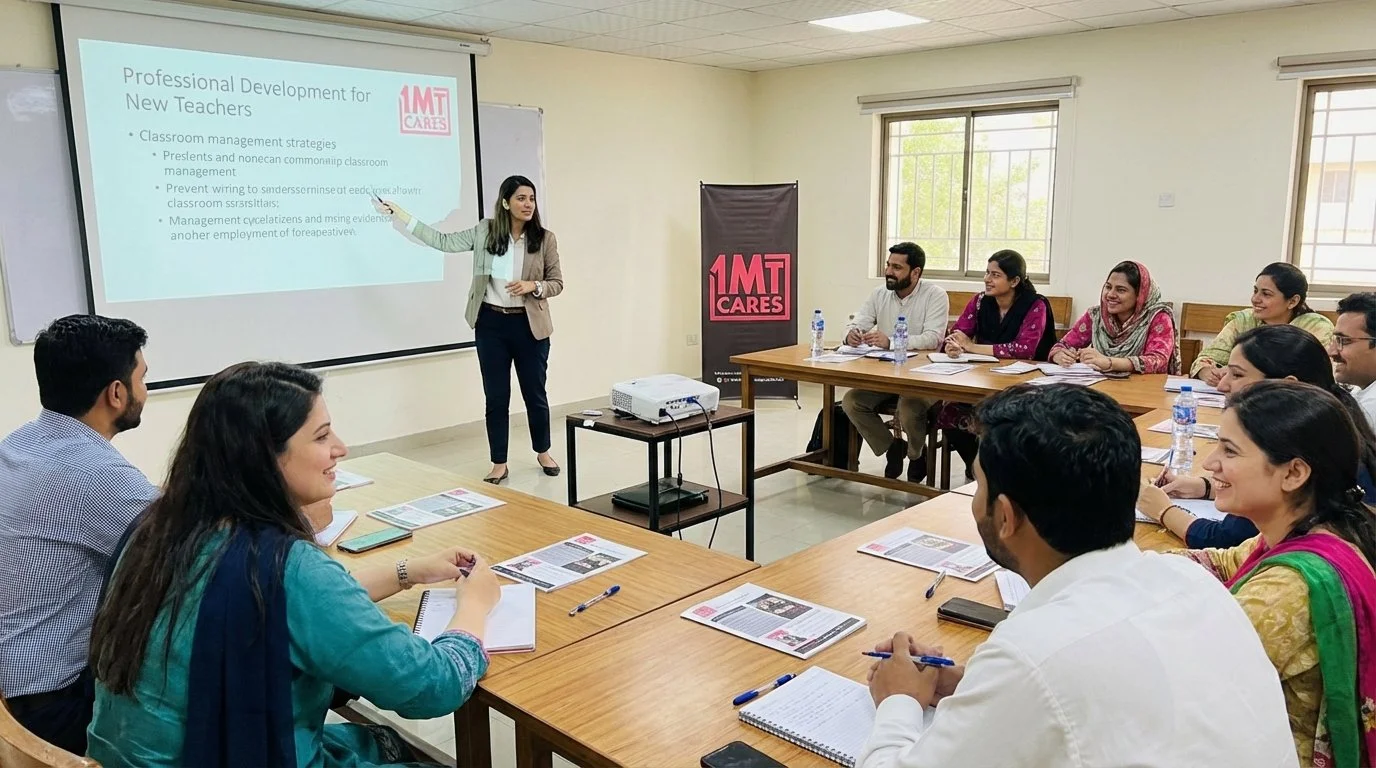
Starting a teaching career can feel a lot like walking onto a stage with no rehearsal. Even if you’ve earned your teaching certificate in Pakistan and studied all the theories, the first time you face a classroom is a different experience altogether with different personalities, unexpected questions, and the quiet pressure of knowing young minds are depending on you.
That’s exactly why good professional development matters. Quality teacher training helps new educators move beyond “just knowing” to confidently “doing.” Below are ten key topics that should be part of every professional development program for newly appointed teachers in Pakistan.
1. Understanding the Teacher’s Role in Today’s Classroom
The job of a teacher has changed a lot. You’re not just there to lecture, you're a guide, a facilitator, and often a mentor. Students want interaction, parents want clear communication, and schools want results.
Training should help new teachers think about what’s expected of them today. When you see yourself as someone who influences academically, socially, and emotionally, you walk into class with more purpose, not just routine.
2. Real-World Classroom Management Skills
Classroom management is one area new teachers struggle with most. Even the best lessons can fall apart if students are unfocused or disruptive. Teacher training should teach practical techniques such as:
Establishing clear rules from day one
Creating routines students can count on
Handling behavior calmly and consistently
Using praise and encouragement rather than constant correction
In many workshops I’ve led, this is the skill participants say they wished they had practiced more during their studies. A well-managed classroom creates space for real learning.
3. Lesson Planning and Aligning with the Curriculum
Lesson planning isn’t just filling out a form. It’s about knowing what students should learn, how you’ll help them learn it, and what success looks like.
New teachers often overplan or underplan, and both can lead to stress. Good training shows you how to connect your lessons with the school’s curriculum while still making them engaging. When you can break a syllabus into clear steps, you teach with more confidence and purpose.
4. Assessment and Feedback That Helps Students Grow
Assessment isn’t just tests and quizzes. It should help students improve, not intimidate them. Training should cover different ways to assess learning both during lessons and at the end of units and how to give feedback that encourages effort and progress. A few thoughtful comments can boost a student’s confidence much more than a grade ever will.
5. Communication Skills for Teachers
Every day in school, teachers communicate in how they explain ideas, respond to questions, or talk to parents.
Professional development should help you refine your tone, body language, and listening skills. In the Pakistani school context, clear, respectful communication builds trust fast. Teachers who speak with clarity and confidence tend to gain stronger classroom authority.
6. Teaching Every Kind of Learner
Not all students learn in the same manner. Some students grasp concepts quickly, while others require more time or another approach. Inclusion training helps new teachers recognize and adapt their strategies to support all students. Classrooms are more positive when every student feels included.
7. Using Educational Technology Well
Technology is part of education now even in schools with limited digital tools.
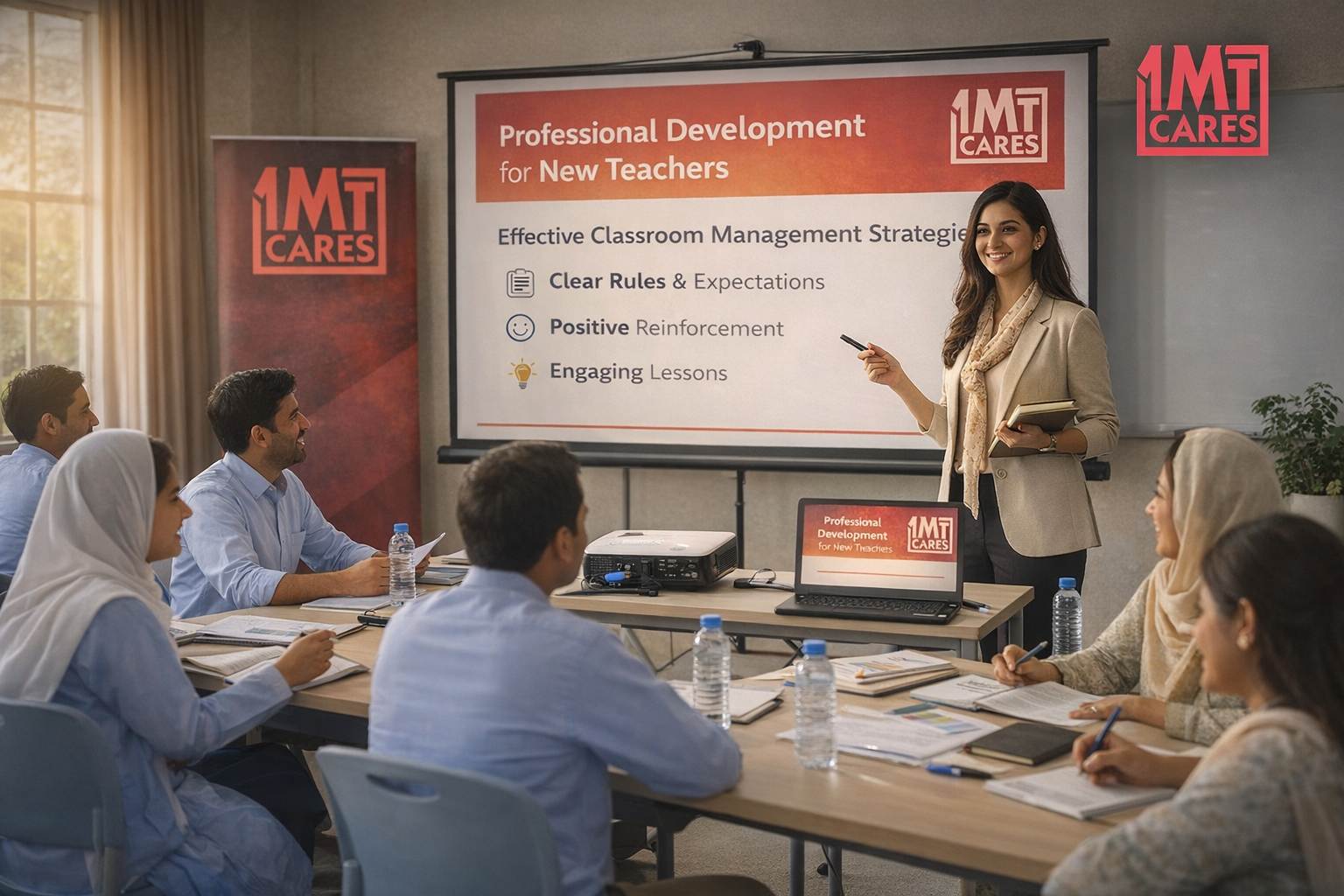
Professional development should show practical ways to use technology: making interactive presentations, using online tools for quizzes or assignments, and maintaining professionalism online. Teachers who are comfortable with tech often find their classes more engaging and effective.
8. Professional Ethics and Conduct
Teaching comes with responsibilities beyond academics. Knowing the right boundaries and ethical standards protects both you and your students.
Training should include topics like:
Maintaining professional boundaries
Respecting student confidentiality
Following school policies
Upholding honesty and integrity
When teachers understand professional behavior early, they avoid mistakes that could harm their reputation.
9. Emotional Intelligence and Managing Stress
Teaching is rewarding, but it can also be emotionally demanding. New teachers may feel overwhelmed by workload, student behavior, or administrative pressure.
Good training helps teachers build emotional resilience, understanding how to manage stress, think before reacting, and balance work with life. Teachers who develop these skills early are more likely to stay energized and effective.
10. Ongoing Growth and Career Progress
Learning doesn’t stop once you get a certificate. That’s really just the beginning. Effective professional development encourages teachers to set goals for themselves, pursue further certifications, attend workshops, and stay connected with other educators. Schools benefit when teachers see their growth as a continuous journey, not a one time milestone.
Also Read: Bridging Global Expertise with Local Needs: Co-founders’ Approach to Teacher Development
Building Strong Foundations for Teaching Success
Professional development is not a luxury, it's essential. When new teachers receive structured training in classroom management, communication, assessment, and ethics, they start their careers prepared and confident.
For new and aspiring teachers in Pakistan, joining well designed training programs gives you practical tools, real world strategies, and the confidence to succeed from day one. Strong teachers build strong classrooms, and strong classrooms shape the future.
At 1MTCARE, our aim is simple: equip new educators with knowledge that is useful, practical, and ready for real classrooms.
