

Teacher Training Programs That Empower Educators
Teacher training in Pakistan is how working and aspiring teachers build the skills, confidence, and credentials they need to teach well. For most educators searching for this topic, the real question is simple: which training path actually helps in the classroom, and which one is just a certificate on paper? This guide walks through what training and certification look like in Pakistan, what to look for in a program, and how structured, ongoing learning changes the way a teacher works.
What Teacher Training Programs in Pakistan Actually Involve
A teacher training Program is a structured process that helps educators learn classroom methods, subject knowledge, and student management skills, usually through courses, mentorship, or certification programs. In Pakistan, this can mean anything from a short workshop to a multi-stage certification path, depending on the provider and the teacher's career stage.
Not every program is built the same way. Some focus only on theory. Others are built around real classroom practice, peer feedback, and gradual skill-building. The difference matters because training that stays in a lecture hall rarely changes what happens once the classroom door closes.
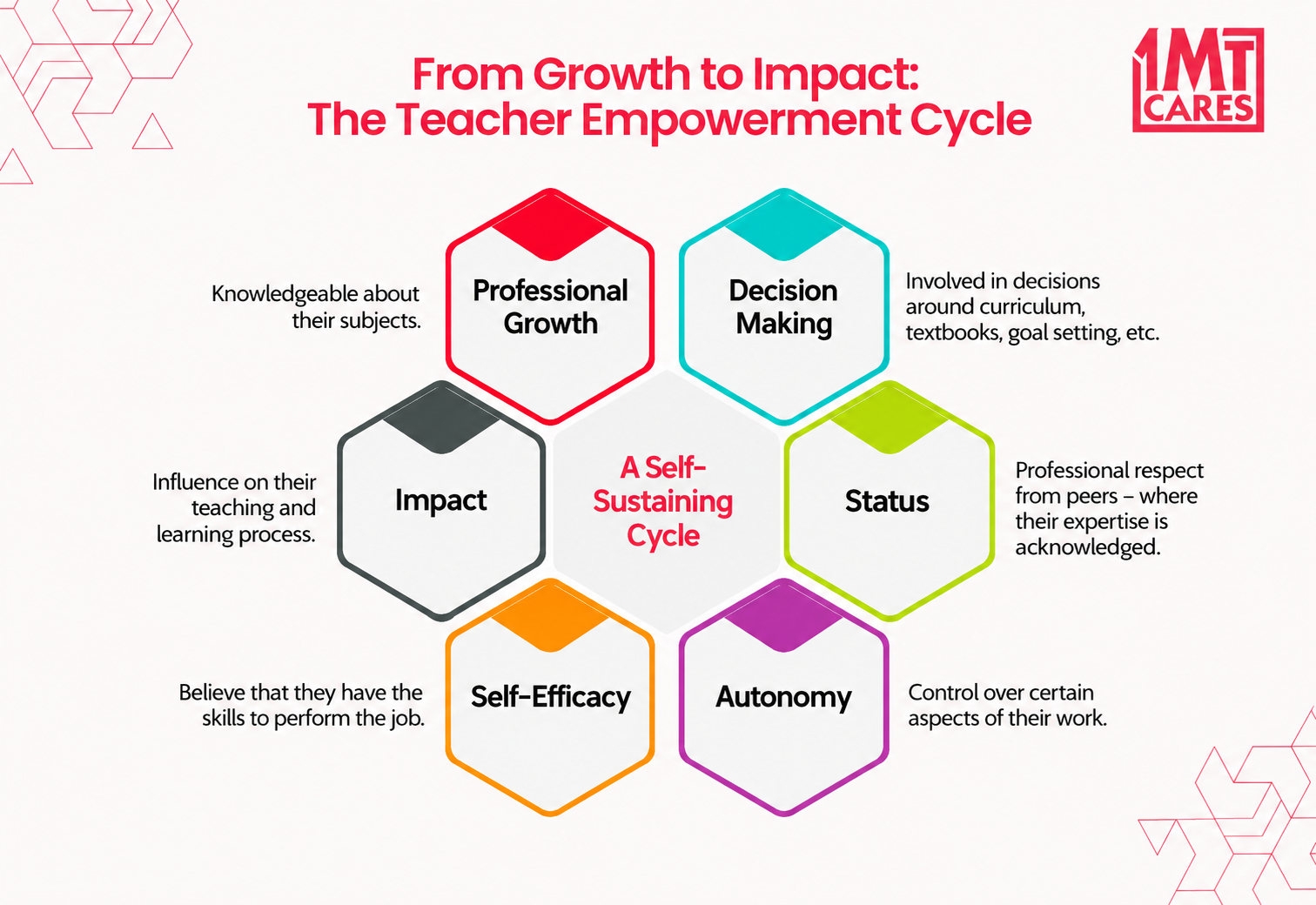
How 1MTCares Approaches Teacher Training
1MTCares, the nonprofit arm of 1 Million Teachers, has built its training model around a simple idea: teachers grow fastest when learning fits around their real lives, not the other way around. Its Black Belt Program is a self-paced, online course designed to work even with limited internet access or older devices, which matters for teachers in areas where fast, stable connections are not guaranteed. Educators move through belt levels, from White Belt to Black Belt, covering foundational pedagogy and classroom strategy at their own pace, while staying connected to a wider community of teachers going through the same process.
Training does not stop at certification. Teachers who complete the Black Belt Program become eligible for further learning, including boot camps run in partnership with organizations like Queen's University, and for a smaller, invite-based Mastermind Program, where experienced educators exchange ideas and take on mentorship roles. There is also a shorter, subject-specific option worth knowing about: the NABU read-aloud course, which focuses specifically on how teachers can use interactive storytelling to strengthen early literacy in their classrooms.
This layered structure reflects something Pakistan's education sector often gets wrong: treating training as a one-time event rather than an ongoing part of a teaching career. As covered in Teacher Training in Pakistan: Solving the Education Challenge, one-off workshops rarely produce lasting change on their own; the impact tends to come from training that continues to build over time.
What to Look for in a Credible Training Program
Not every teacher training course delivers on what it promises. Before choosing one, it helps to check a few things:
Practical relevance: Does the course connect to real classroom situations, or is it purely theoretical?
Flexibility: Can the training work around a full teaching schedule, or does it demand time most teachers don't have?
Community and mentorship: Is there any ongoing support after the course ends, or does contact stop the moment it's completed?
Transparency: Does the provider clearly explain what the training covers and who runs it?
Accessibility: Does it work on the devices and internet connections teachers actually have?
A program that checks these boxes tends to produce teachers who apply what they've learned, not just teachers who hold a certificate.
How Training Connects to Classroom Outcomes
Good training changes daily teaching habits, such as how a lesson is planned, how a classroom is managed, and how a teacher responds when students struggle. It rarely shows up as one big shift. It shows up as small, repeated improvements: clearer explanations, better-paced lessons, and more confidence handling a difficult class.
This is part of why 1MTCares built its programs around belts and stages instead of a single course. Skill-building works better in layers. A teacher who finishes one stage and moves into deeper training, mentorship, or subject-specific courses like the NABU read-aloud program keeps refining their practice instead of stopping at a single certificate.
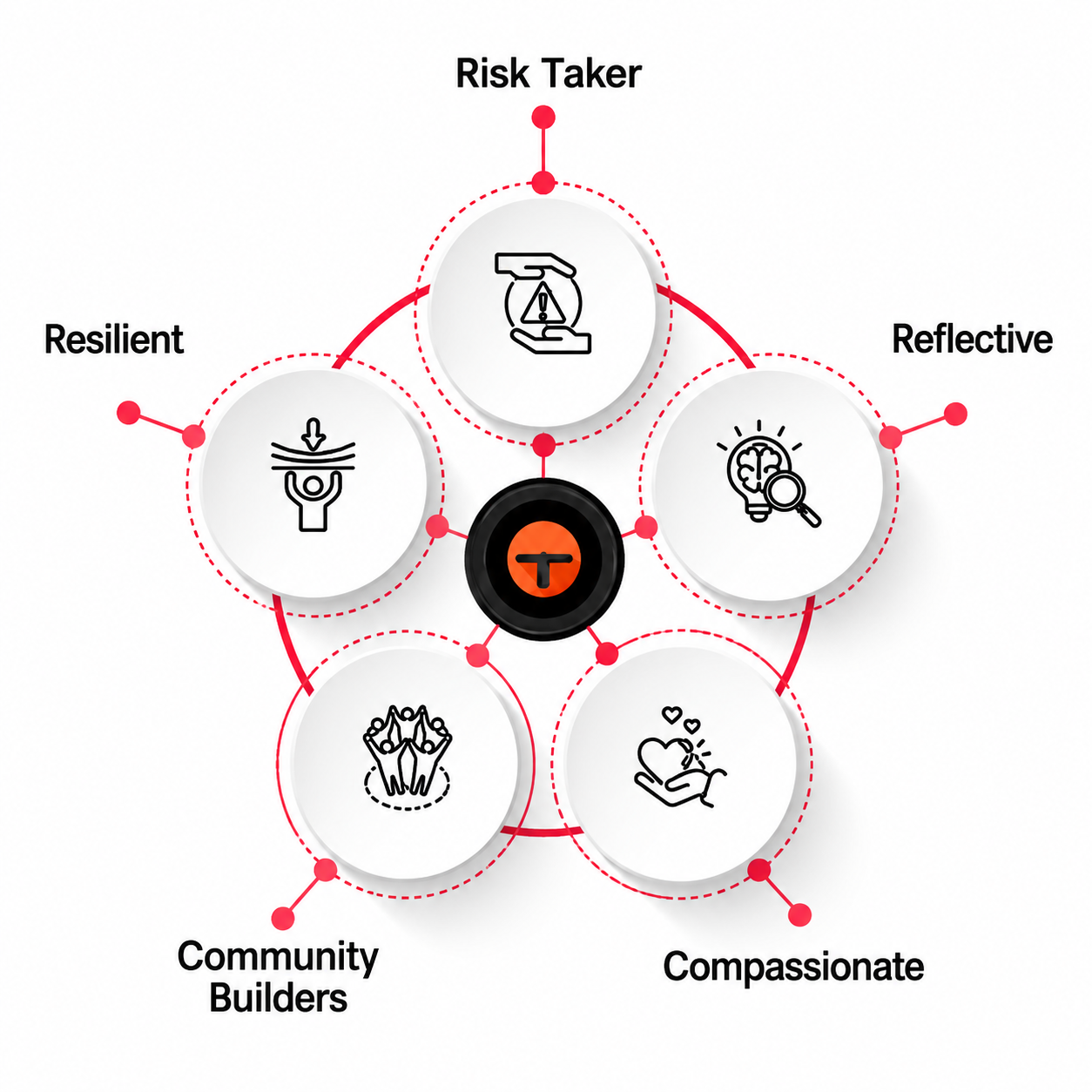
The Growing Role of Technology in Teacher Development
Online and low-bandwidth training options have opened doors for teachers who previously had no practical way to access structured professional development, especially in areas with limited infrastructure. Self-paced, mobile-friendly courses mean a teacher in a smaller city or rural area is no longer excluded from the same training available in bigger cities. This shift is part of a wider trend across teacher education in Pakistan and beyond, where flexible online formats are gradually becoming the norm rather than the exception.
Is Teacher Certification Required in Pakistan?
Requirements vary depending on the school, board, and region, so there is no single national rule that applies to every teacher. Public sector positions often follow specific departmental requirements, while private schools may set their own expectations. Regardless of formal requirements, additional training and certification consistently strengthen a teacher's practice and career options, which is why many educators pursue it even when it isn't strictly mandatory.
As highlighted in A Proud Moment for Pakistan: 1 MT's First Black Belt Graduation, completing a structured program is often treated as a genuine milestone by teachers and their schools alike, not just a formality.
How Long Does Teacher Training Usually Take?
This depends entirely on the format. A short course like a read-aloud literacy training can be completed in a matter of weeks, while a full certification path like the Black Belt Program is self-paced and built to fit around a teacher's existing workload, so the timeline varies from one educator to the next. What stays consistent is the structure: clear stages, with skill-building at each step.
Bringing It Together
Teacher training in Pakistan is not a single path, and it doesn't need to be. What matters more is whether the training is practical, ongoing, and genuinely built around how teachers work and live. Programs like the Black Belt Program, the Mastermind community, and subject-focused courses like the NABU read-aloud training reflect a model built on continued growth rather than a one-time credential.
If you're ready to move from reading about training to actually starting one, the Black Belt Program is the clearest first step. It's self-paced, works on low-bandwidth connections, and takes you from foundational teaching skills through to advanced classroom strategy on your own schedule. Start the Black Belt Program today and join teachers across Pakistan already building their skills through it. If literacy instruction is more your focus right now, theNABU course is a faster way to get started.
