Advancing Gender Equity In Education: Striking A Balance For The Girl And Boy Child
What is Gender Equity?
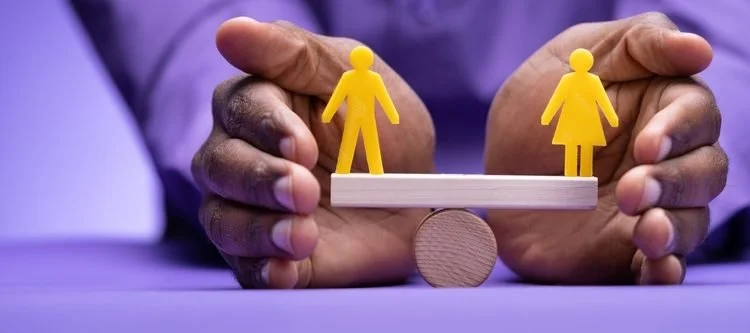
Gender equity is often misunderstood as being the same as gender equality, but the two are distinct.
Gender equality refers to fairness and the absence of inferiority, ensuring that boys and girls are treated the same.
Gender equity, on the other hand, recognizes that boys and girls face different challenges and therefore need different kinds of support.

As education advocate Bunmi Anani put it, “Equality is about fairness and absence of inferiority, while equity is about providing resources that meet each gender’s unique needs.”
In practice, gender equity means ensuring that both the girl child and boy child have the opportunities, tools, and supportive environments necessary to thrive, even if those supports look different.
The Struggles of the Girl Child
Despite global efforts, millions of girls continue to be held back by systemic barriers. Across many societies, the girl child faces:
Limited access to quality education – In some regions, girls are the first to be withdrawn from school due to poverty or domestic responsibilities.
Cultural expectations – Traditions often dictate that a girl’s role is confined to the home, discouraging academic and professional ambition.
Child marriage and teenage pregnancy – Early marriage or pregnancy can abruptly end a girl’s education and limit future opportunities.
Restricted career opportunities – Gender stereotypes prevent girls from pursuing careers in STEM fields or leadership roles.
The consequence is a cycle of disempowerment where girls are unable to fully realize their potential. Breaking this cycle requires safe learning environments, targeted programs, and policies that encourage girls to dream beyond imposed limitations.
The Overlooked Boy Child
While empowering girls remains essential, the conversation around gender equity often overlooks the struggles of boys. The assumption that boys are automatically privileged can mask real challenges that affect their growth.
Boys increasingly face:
Identity struggles – Pressure to “be strong” often discourages them from expressing emotions or seeking help.
Educational disengagement – Boys in some contexts show lower literacy levels, higher dropout rates, and declining motivation compared to girls.
Behavioral and mental health issues – Suppressed emotions, peer pressure, and lack of mentorship can lead to aggression, delinquency, or depression.
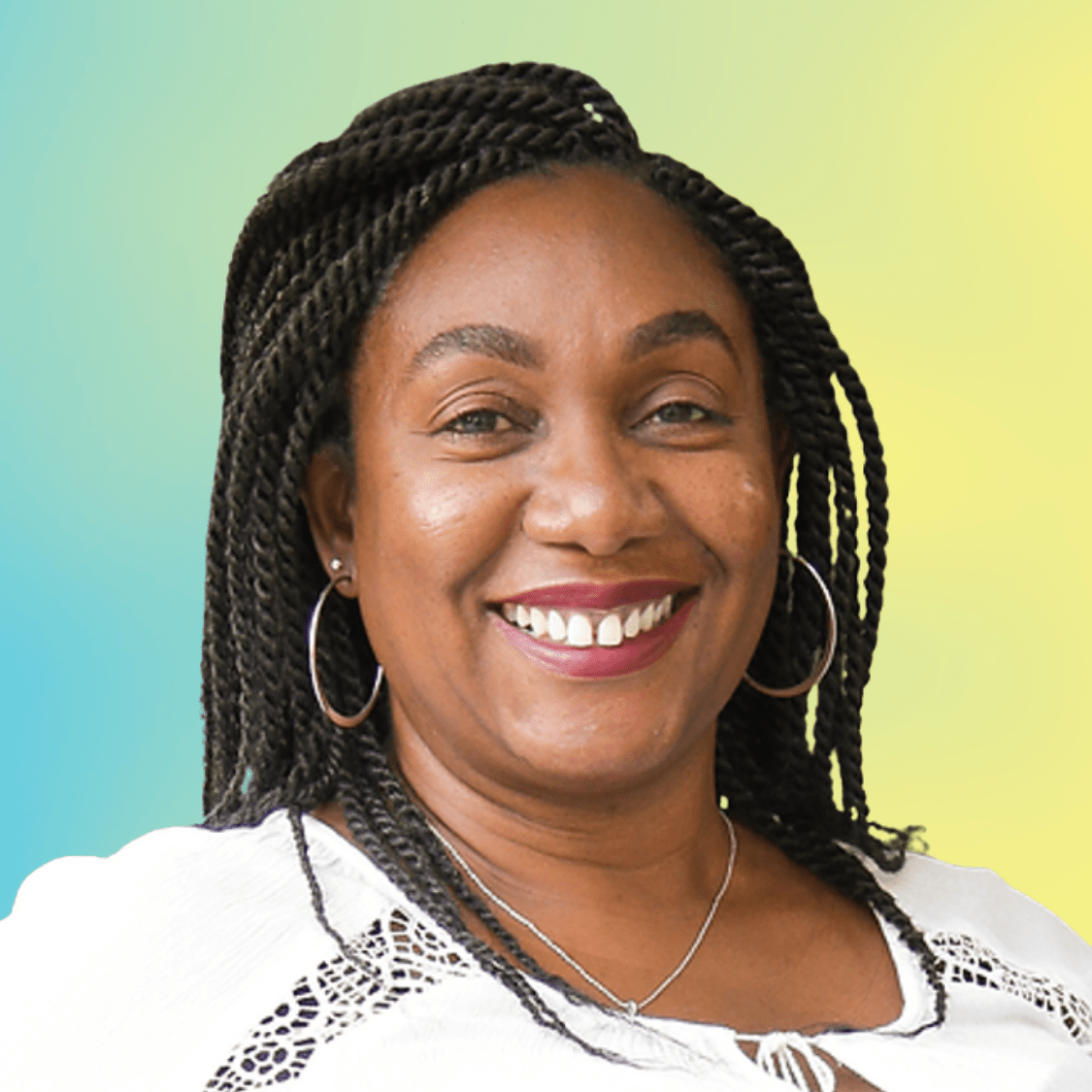
Dr. Lorraine Otoide emphasizes that “Leaving boys behind undermines the very principle of equity and creates new gaps.”
Gender equity must therefore consider both genders, ensuring that boys and girls receive the targeted support they need to succeed.
The Role of Schools and Educators
Inclusive Classrooms
Teachers are at the frontlines of shaping children’s experiences. Subtle biases—such as giving more attention to one gender, using gendered language, or reinforcing stereotypes—can disadvantage students. Intentionality is key.
Teachers can:
Encourage equal participation during discussions.
Challenge stereotypes in subject and career choices.
Provide mentorship for both boys and girls.
Create safe spaces where students can express themselves without fear of ridicule.
Curriculum and Programs
Schools should integrate gender-sensitive curricula that break down stereotypes and encourage exploration across fields.
For example:
Girls should feel free to explore science, technology, engineering, and leadership opportunities.
Boys should be supported to engage in arts, caregiving roles, and emotional intelligence development.
Beyond academics, programs must prioritize mental health, social development, and life skills, equipping students to handle real-world challenges.
Policy, Community, and Family Engagement
Policy Development
Governments and educational bodies have a responsibility to design and enforce frameworks that promote gender equity. These include:
Equal access to education, healthcare, and career opportunities.
Scholarship programs that target marginalized boys and girls.
Safeguarding laws against child marriage, gender-based violence, and discrimination.
Family and Community Roles
Families and communities form the first social environment children experience. Parents and guardians can model equity at home by:
Sharing household responsibilities equally among boys and girls.
Encouraging both sons and daughters to dream big.
Avoiding language or practices that reinforce gender stereotypes.
Community leaders and organizations can reinforce these values by organizing workshops, advocacy campaigns, and mentorship programs that promote inclusivity and mutual respect.
Local Context Matters
It is important to recognize that no two communities face the same realities. Culture, religion, and geography influence how gender equity is understood and practiced. Solutions must therefore be context-specific, respecting traditions while still pushing for fairness and opportunity.
Solutions to Advancing Gender Equity
Inclusive Teaching Practices – Train teachers to recognize and challenge bias, ensuring classrooms are safe and balanced.
Gender-Sensitive Curriculum – Design content that challenges outdated roles and promotes diversity in career aspirations.
Targeted Support Programs – Provide scholarships, mentorship, and counseling tailored to the unique needs of both boys and girls.
Mental Health and Emotional Support – Establish counseling services and life skills training to support students’ holistic growth.
Policy Enforcement – Ensure governments not only design but also actively enforce equity-driven policies.
Community Engagement – Encourage local participation through workshops, storytelling, and advocacy to normalize gender respect.
Impact Measurement – Use data from schools, homes, and workplaces to track whether interventions are effective, sustainable, and transformative.
Towards Inclusive Education for All
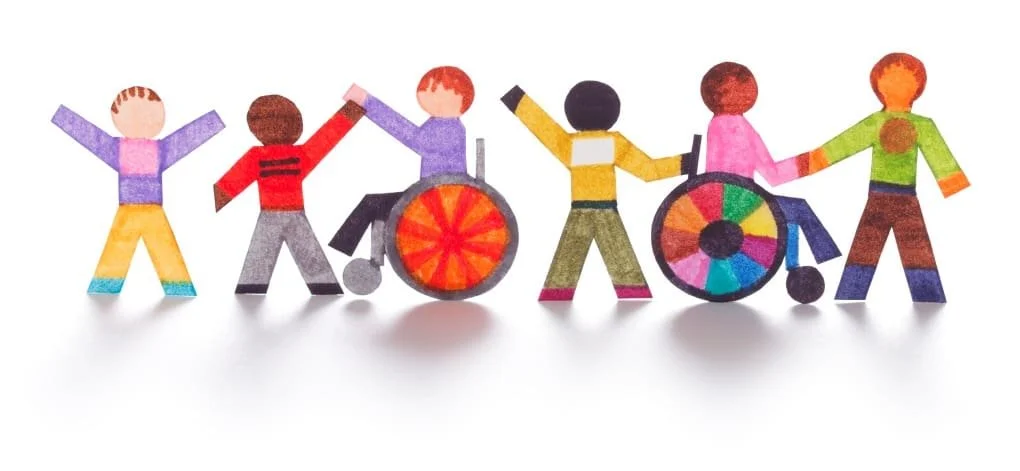
Education for all needs inclusive practices as a priority. Inclusive education does more than improve grades;it fosters empathy, collaboration, and respect in society.
When boys and girls are equally supported, they grow into adults who:
Recognize each other’s value.
Collaborate to solve problems.
Build healthier communities and workplaces.
Contributors
Halima Abubakar
Callixte Khalisa
Dr. Lorraine Otoide
Kemi Ogunsanya
Bunmi Anani
Modupeola Olaniyi
Sesi Vanessa
Abigail Ekot
Fareeha Zafar
Prince Patrick
Jalilah Balogun